One Letter a Week On How Humans Move, Adapt, Perceive, and Perform.
phorme studio is a way of seeing, understanding, and acting. It moves beneath inherited explanations and returns complex questions to first principles. Each weekly letter develops one question through scientific research, history, art, philosophy, direct observation, and practice. The aim is a clearer view of the forces shaping your body, behavior, and choices, and a more deliberate way to move through the world.
No. 009 · 2 October 2026
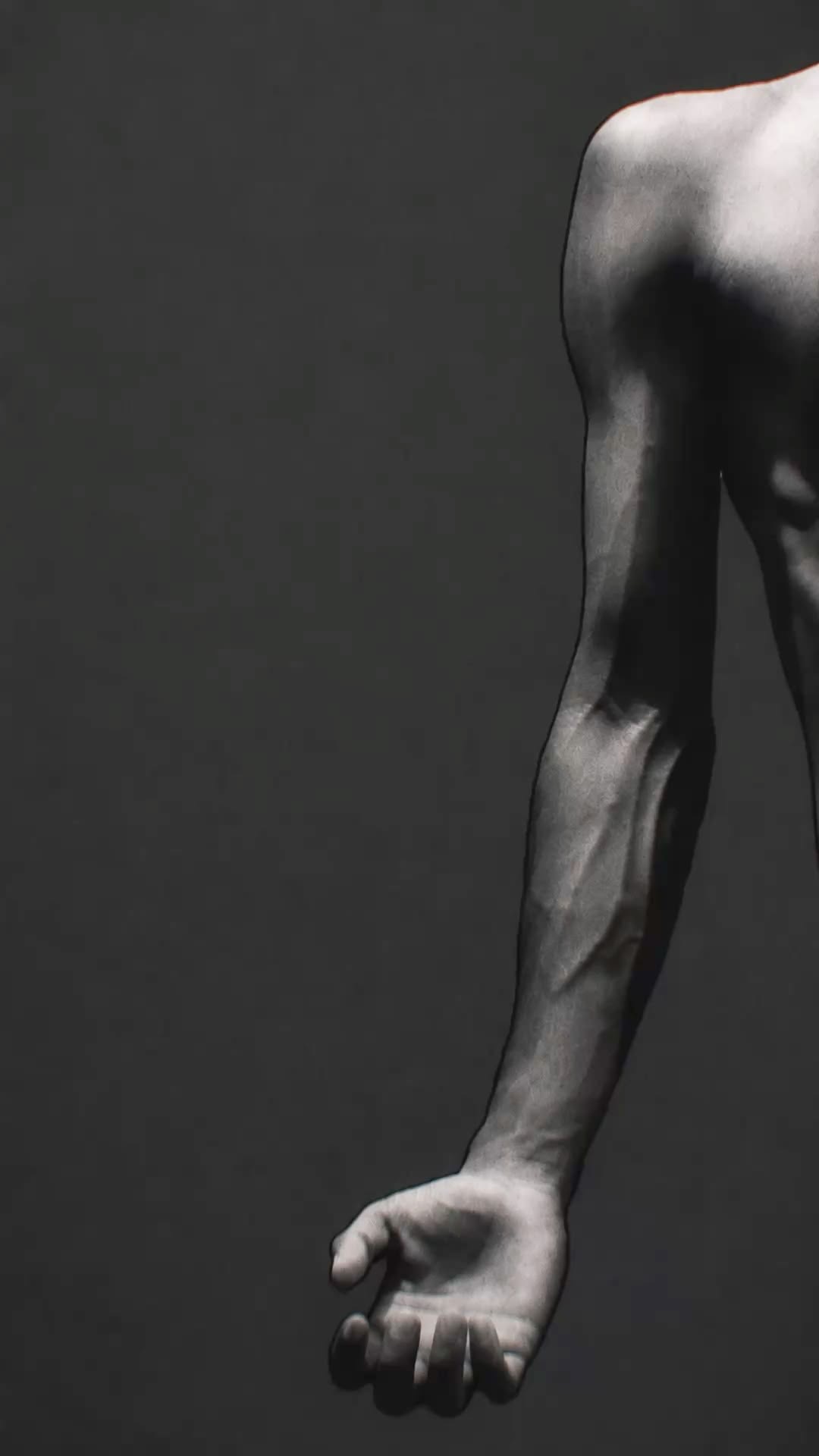
When Longevity Protocols Backfire
You can train for a longer life and spend the rest of the day interfering with the adaptation. Research on supplements, cold water and metformin exposes a problem with the modern longevity routine: adding something healthy does not guarantee a healthier combination.
Read
No. 008 · 20 September 2026
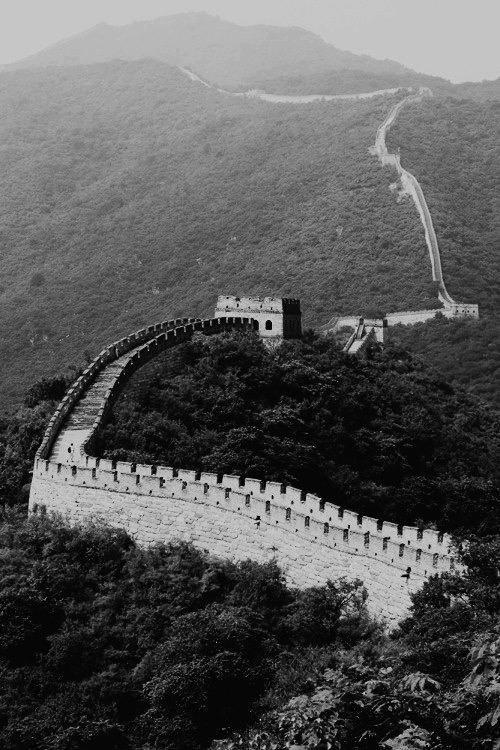
One Type of Man
In 1911 Frederick Winslow Taylor wrote that one type of man is needed to plan ahead and an entirely different type to execute the work, and the reason he gave was that a man cannot stand at a machine and sit at a desk at the same time. That sentence built the wall between the athlete and the builder. The tissue never received the memo.

No. 007 · 9 September 2026
We Call It Flow
Ask an athlete and an artist to describe their best work and you get the same paragraph. It came easy. The decisions made themselves. They stopped watching how they looked. This is what that state is actually made of, what practice does to a task to make it possible, why the science behind it is far less settled than the language suggests, and why feeling fluent is not the same thing as being right.

No. 006 · 5 September 2026
Why Focus Fails
Around the year 380, a monk in the Egyptian desert described a state that arrived at the fourth hour of the morning and lasted until the eighth. Compulsive checking, restlessness that feels like insight, the sudden certainty that somewhere else would be better. He had no phone. The research suggests focus is not something we aim but something we construct by suppressing everything else, which means distraction may be less a failure of attention than the same system solving a different problem.
No. 005 · 1 September 2026
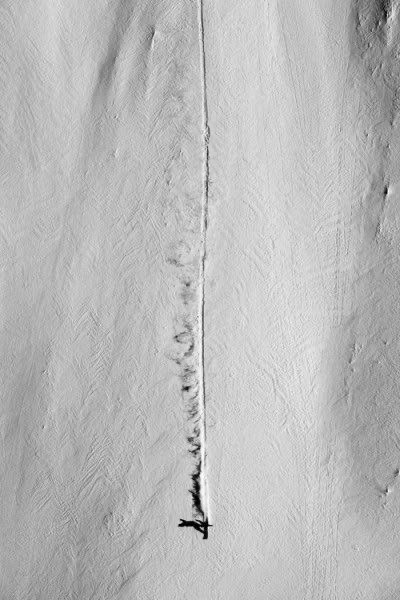
The Paradox of Movement
Why getting stronger, faster, freer, and more skilled often requires the very thing that seems to oppose it. In movement, the quality we want and the problem we want to avoid are often produced by the same mechanism. The contradiction is not an inconvenience surrounding adaptation. It is often how adaptation happens.
No. 004 · 29 August 2026
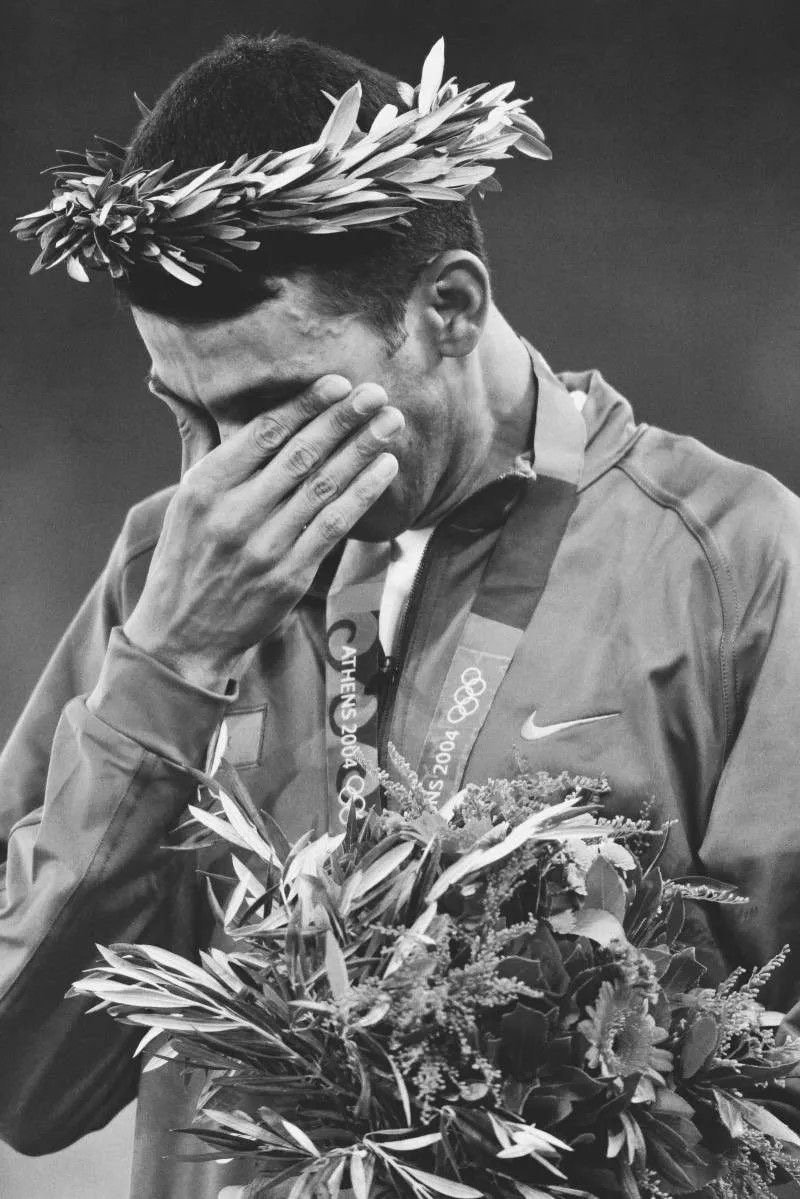
Two Buildings
In 1908 Walter Winans won an Olympic gold medal for shooting. In 1912 he won another for sculpture. For thirty six years the Games awarded medals in art alongside sport, until an amateurism rule ended it in 1949. The separation of the athlete from the artist is administrative rather than biological, and the evidence on practice, attention and perception suggests both disciplines are working on the same system.

No. 003 · 20 August 2026
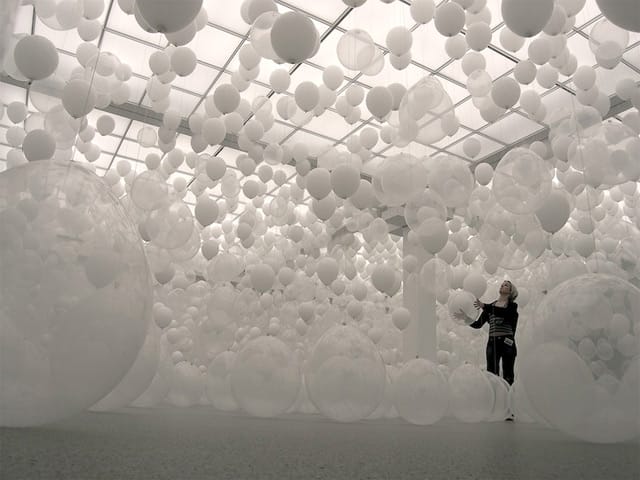
The Water You Are Fighting, You Made
A swimmer meets far more resistance moving than the same body meets when towed through the same water, and their own limbs make the difference. Across four studies, skill in water appears as subtraction rather than added force. Less disturbance, earlier release, a quieter motor cortex.
No. 002 · 13 August 2026
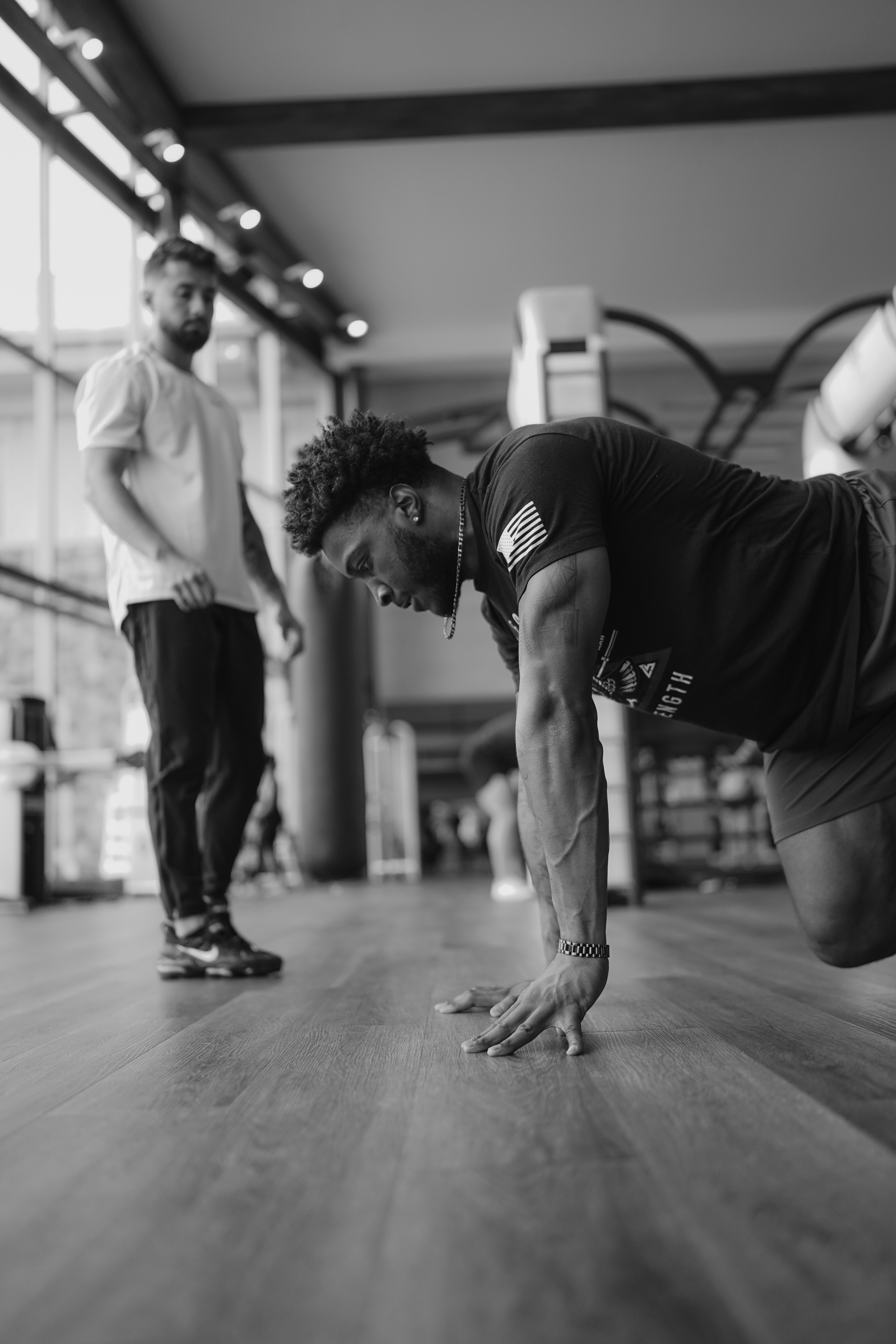
What Problem Are You Asking the Body to Solve?
Researchers changed the relationship between muscle activity and movement, then told some participants which muscles mattered. The cue helped while familiar coordination could still solve the problem, and helped less as the task moved beyond it.
No. 001 · 6 August 2026
Who Chose Your Movements?
After more than thirty thousand repetitions, a learned decision relied less on the brain's system for deliberate control. The finding helps explain how practice becomes automatic, and why the patterns selected by cultures and institutions can become part of us before we know to question them.
Research Each Week. Free.
Opens Messages with the word ready. Or text JOIN to (303) 570 5060 yourself.
One Research letter a week by text. Message and data rates may apply. Reply STOP at any time to end. To come back after that, text START to (303) 570 5060.